
Datasheet: Live Single Cell Functional Analysis with Beacon Discovery™
Access Resource

Blog

AI Functional Antibodies: From Design to Cell Binding Candidates

The landscape of antibody discovery is rapidly evolving, moving away from slow, iterative binding-focused methods toward a paradigm of function-first, high-throughput assessment. Two technologies are driving this transition: advances in artificial intelligence (AI) for antibody design, and high-throughput, single‑cell functional screening platforms such as the Beacon® system. Together, they are redefining how we explore the […]

AI Functional Antibodies: From Design to Cell Binding Candidates Read More »
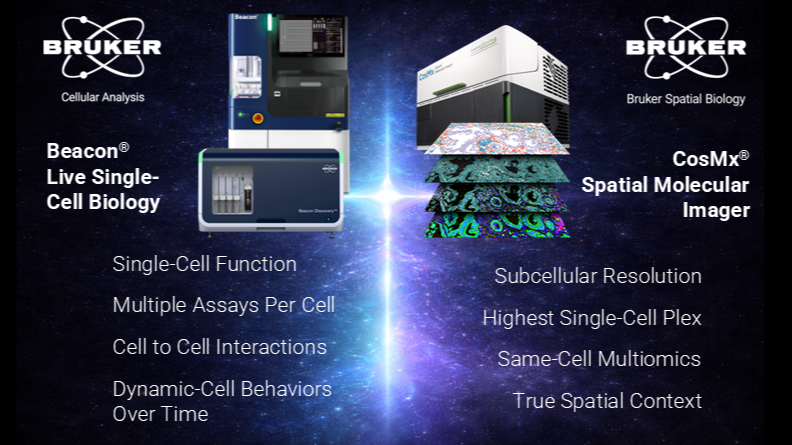
Bruker Cellular Analysis and Bruker Spatial Biology systems shown side‑by‑side, illustrating how the Beacon Platform(s) and the CosMx Spatial Molecular Imager work together for linking live T cell function with spatial biology. The left side highlights Beacon capabilities such as single‑cell function, multiple assays per cell, cell‑to‑cell interactions, and dynamic cell behavior over time. The right side highlights CosMx features including subcellular resolution, highest single‑cell plex, same‑cell multiomics, and true spatial context, displayed over layered spatial imaging panels.

Linking Live T Cell Function with Spatial Biology for the First Time

Understanding Tumor Immunology Across Space and Time A persistent challenge in tumor immunology is that our most powerful tools tend to capture biology in fragments. Live single-cell assays can tell us what immune cells do, while spatial biology reveals where cells are within intact tissue. But rarely are these two views connected. As a result,

Linking Live T Cell Function with Spatial Biology for the First Time Read More »

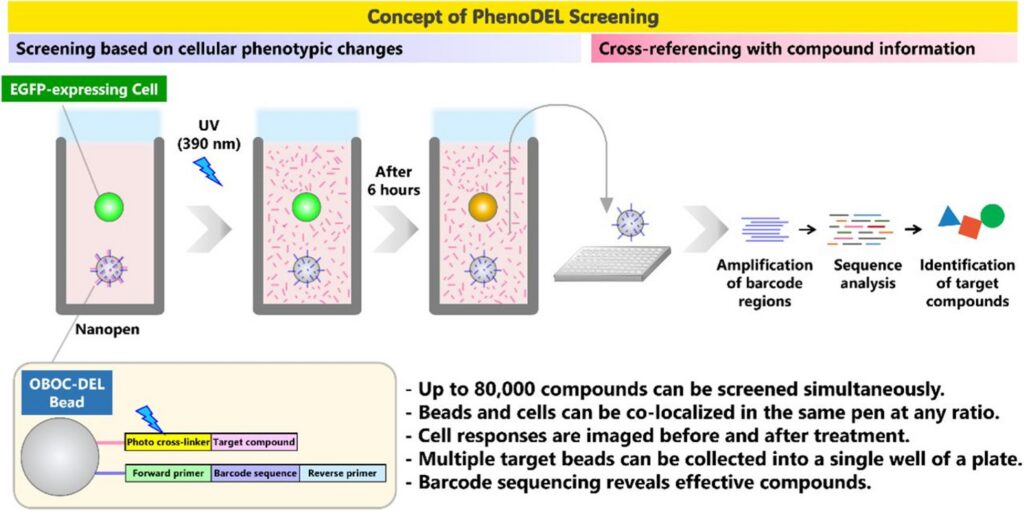
Concept of PhenoDEL screening workflow using Beacon Optofluidic System

Phenotypic DNA-Encoded Library Screening: From Binding to Function in Small Molecule Screening

High-throughput screening (HTS) and DNA-encoded library (DEL) screening have each transformed early small molecule drug discovery, but historically, they’ve operated in parallel rather than in concert. Traditional DEL screening excels at identifying binders, while phenotypic HTS is relied upon to determine function. Bridging those two worlds with confidence and at scale has remained a persistent

Phenotypic DNA-Encoded Library Screening: From Binding to Function in Small Molecule Screening Read More »

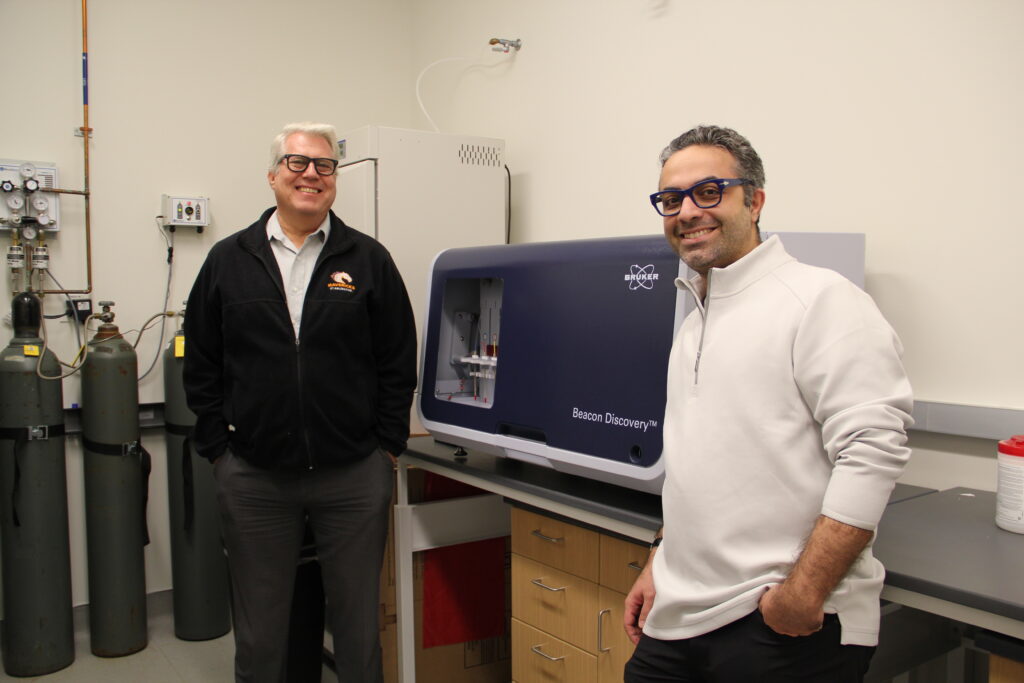
Dr. Jon Wiedanz (left) and Dr. Soroush Ghaffari (right) from the University of Texas at Arlington’s Institute of Biomanufacturing and Precision Medicine (IMPRINT) with their newly arrived Beacon Discovery instrument

University of Texas at Arlington’s IMPRINT Ushers in a New Era with Beacon Discovery

When innovation meets opportunity, breakthroughs happen. The University of Texas at Arlington’s Institute of Biomanufacturing and Precision Medicine (IMPRINT) became the first organization to commercially acquire the Beacon® Discovery™ instrument – a milestone that’s redefining antibody discovery and accelerating precision health research. In this conversation, we spoke with the institute’s founding director Dr. Jon Weidanz

University of Texas at Arlington’s IMPRINT Ushers in a New Era with Beacon Discovery Read More »

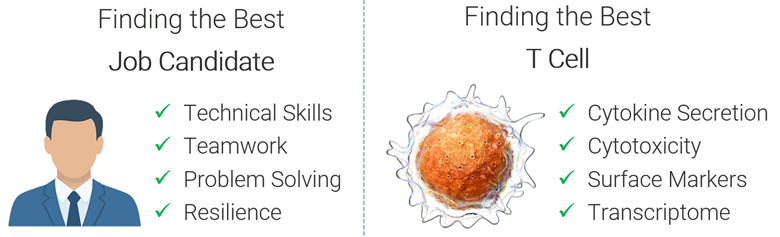
Why Multi-Functional Single-Cell Profiling Matters in Immunotherapy

If you were hiring someone for a critical role, you wouldn’t ask just one interview question and immediately make an offer. Relying on a single question gives you limited insight. You’ll miss critical indicators like how well a candidate collaborates, handles complexity, manages stress, or executes in real-world conditions. To make the right decision, you need to ask multiple questions to fully

Why Multi-Functional Single-Cell Profiling Matters in Immunotherapy Read More »

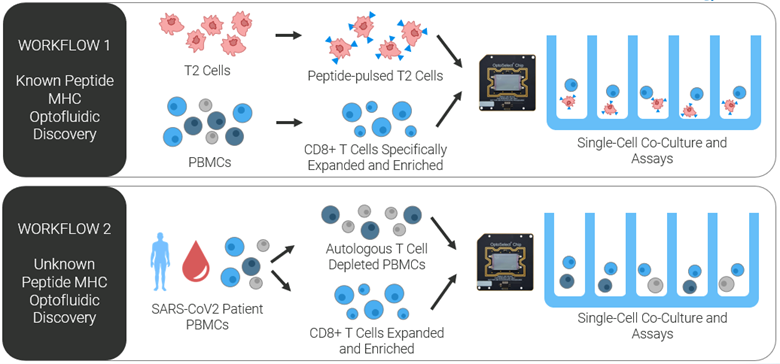
TCR Discovery Workflows on Beacon Platform

Functional, Fast, and Unbiased TCR Discovery with Bruker’s Optofluidic Platform

Identifying antigen specific T-cell receptors (TCRs) is critical for advancing TCR-T therapies, vaccines, and infectious disease research. Yet, traditional peptide-MHC tetramer/dextramer sorting only tells part of the story – it relies on known epitopes and binding affinity, and often captures large numbers of non-functional T cells that fail to drive functional immune responses [1, 2].

Functional, Fast, and Unbiased TCR Discovery with Bruker’s Optofluidic Platform Read More »

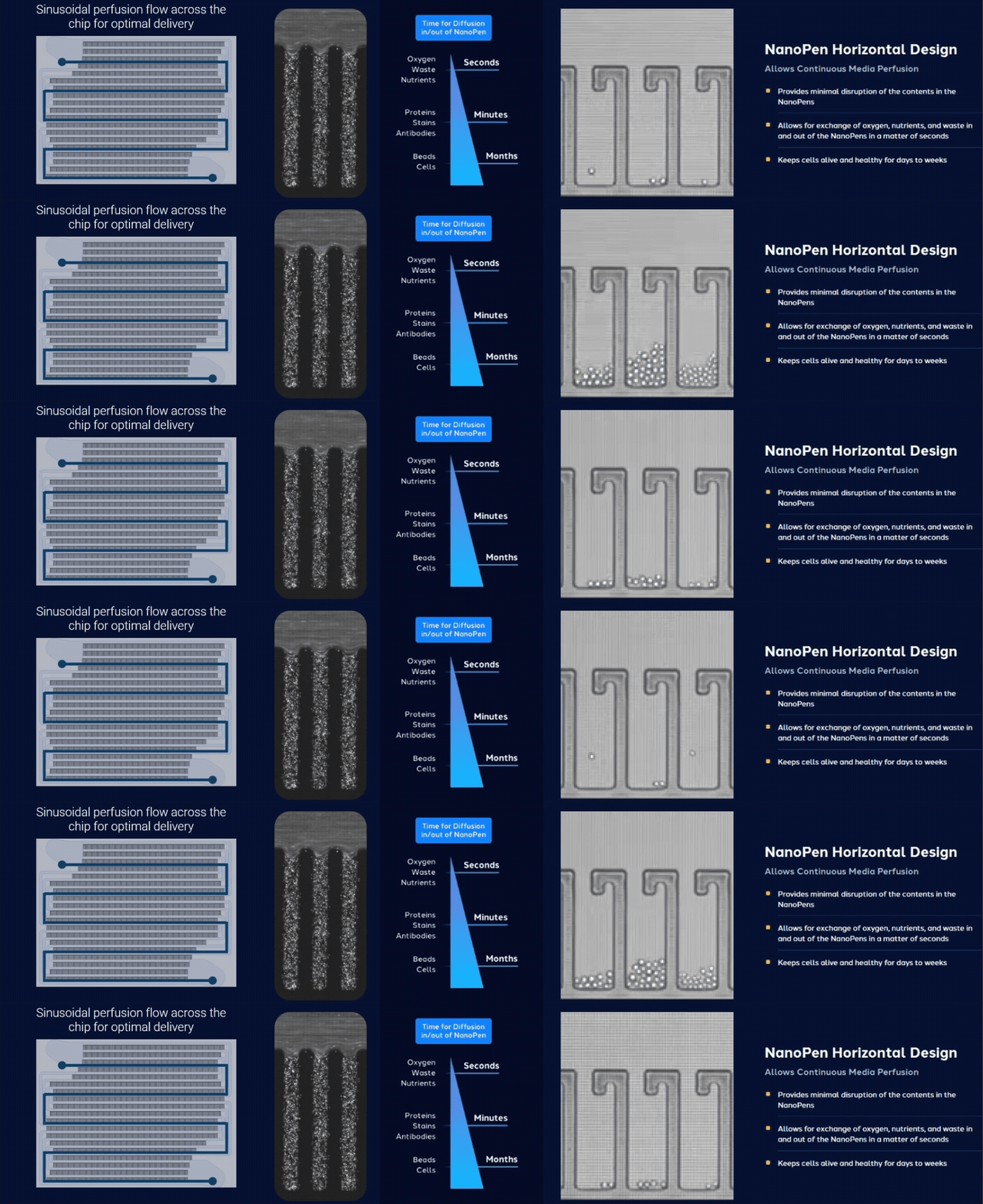
Perfusion: The Beating Heart of Single-Cell Biology and Cancer Immunotherapy

Single-cell biology has transformed our ability to uncover cellular diversity and dynamic behavior within complex tissues that are otherwise masked in population-level analyses. Yet, the precision of single-cell data critically depends on how cells are maintained and stimulated during experiments.  In static cultures, nutrient depletion and waste accumulation occur rapidly, altering cellular metabolism and gene

Perfusion: The Beating Heart of Single-Cell Biology and Cancer Immunotherapy Read More »

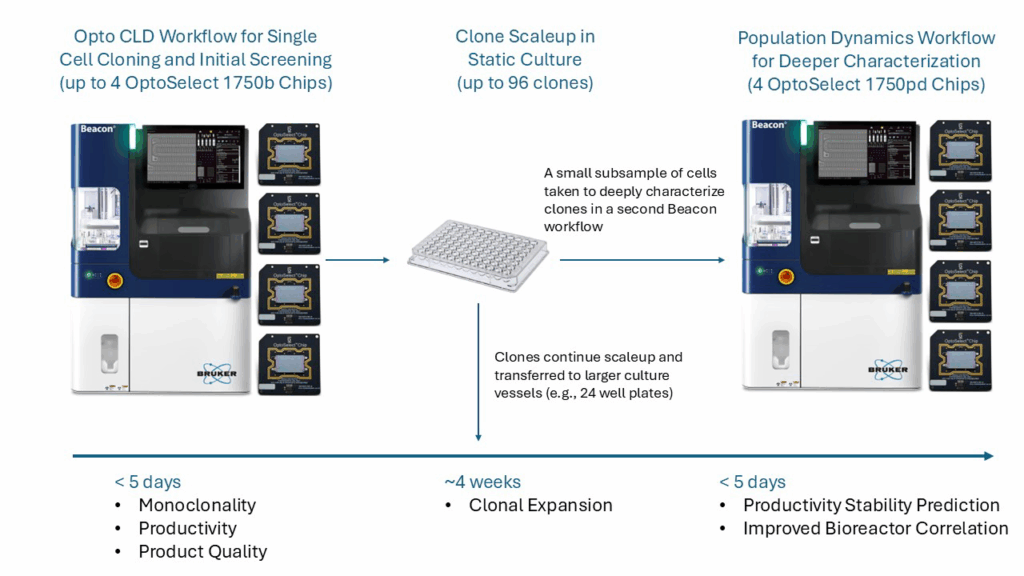
Population Dynamics Workflow Overview

Introducing the Opto™ CLD with Population Dynamics Kit for Improved Stability Prediction

Since its introduction in 2017, the Beacon® platform has transformed how cell line development (CLD) teams reduce campaign risk and accelerate timelines. Today, over a third of CLD teams worldwide use the Beacon platform to streamline workflows and improve decision-making earlier in the process [1]. One of the greatest challenges in CLD is identifying clones

Introducing the Opto™ CLD with Population Dynamics Kit for Improved Stability Prediction Read More »

Breaking New Ground in Functional Single-Cell Analysis: Meet the 2025 Beacon Discovery Grant Recipients

We recently announced the winners of our 2025 Beacon Discovery™ Global Grant Program. These selected researchers stood out for their innovative use of single-cell functional analysis to tackle complex biological questions in immunology, oncology, and cell therapy. Each project showcases how the Beacon Discovery optofluidic platform can reveal previously inaccessible functional insights at the single-cell

Breaking New Ground in Functional Single-Cell Analysis: Meet the 2025 Beacon Discovery Grant Recipients Read More »

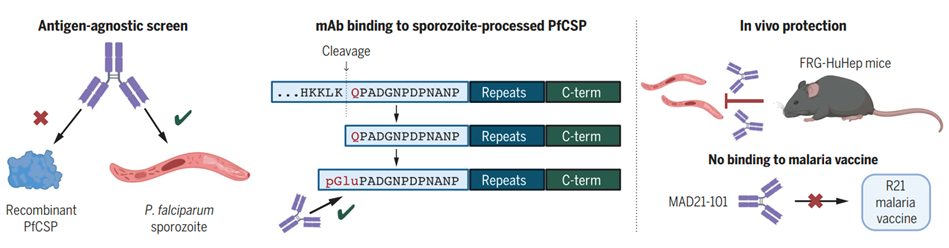
Antibodies targeting the sporozoite pGlu-CSP site can prevent malaria

Enabling Antigen-Agnostic Antibody Discovery to Identify Novel Vaccine Epitopes Against Malaria

Malaria is a devastating mosquito-borne disease caused by Plasmodium parasites (Pf). The Pf sporozoite represents a bottleneck in the parasite’s life cycle and is an important target for malaria interventions. The most advanced anti-sporozoite strategies to date, including the World Health Organization-approved RTS,S/AS01 and R21/MM vaccines and monoclonal antibodies (mAbs) developed as clinical products, all

Enabling Antigen-Agnostic Antibody Discovery to Identify Novel Vaccine Epitopes Against Malaria Read More »